A second season under sail,
and what it added up to.
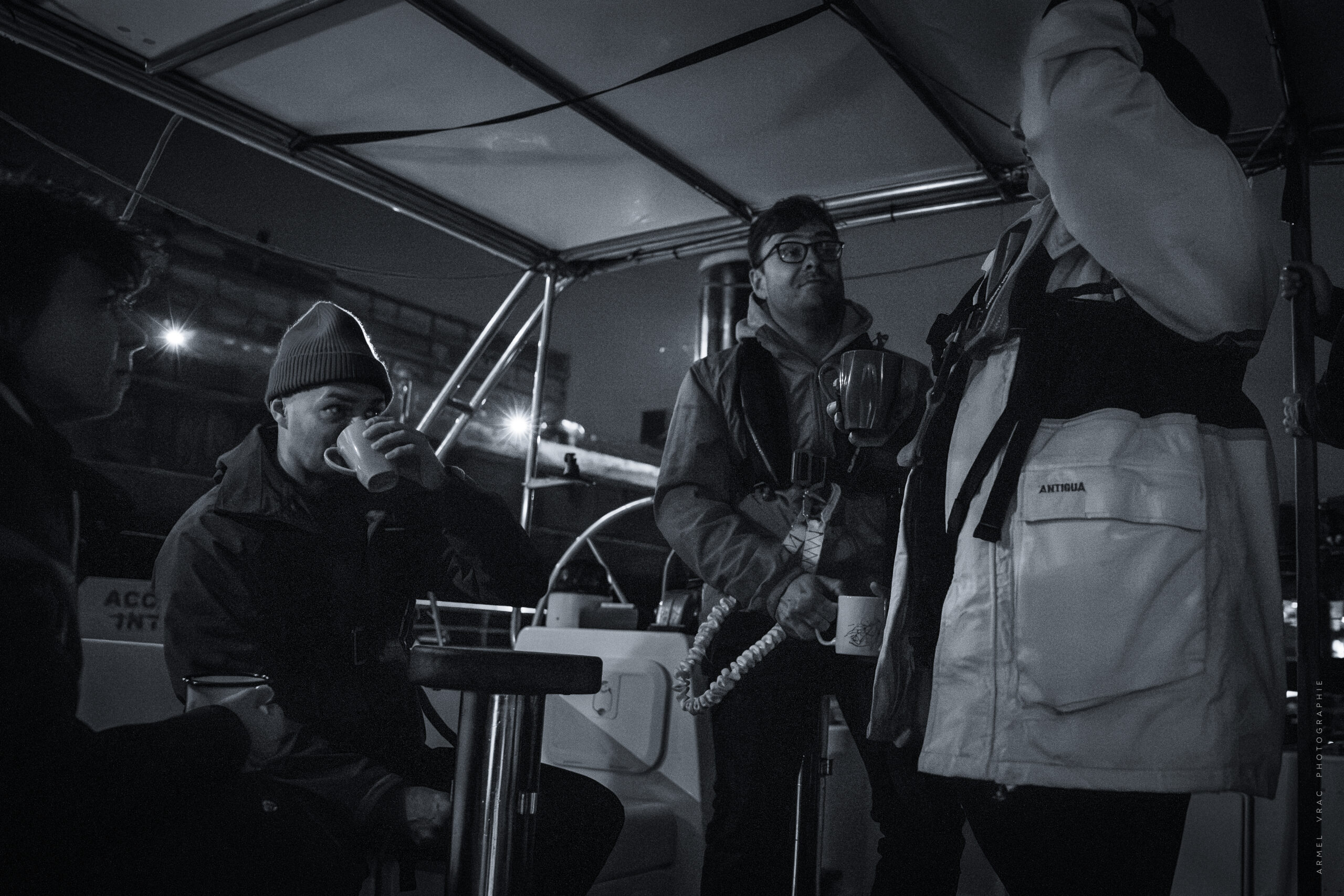
The part of the season I keep coming back to is not a figure. It is the few minutes I get with passengers on the pontoon, just before we cast off or right after we tie up. Hearing where they have come from, what they are riding towards, what the crossing meant to them. Knowing we helped carry them this far, to this slightly improbable way of reaching the other side. That is worth every bit of the work behind it.
So before the numbers, that is the honest centre of what 2026 was. The figures matter, and I will get to them, but they only describe what those conversations already told us: people want to cross this stretch of water differently, and there are more of them than we sometimes dare to hope.
The season in numbers
Across the Dover to Boulogne line and our Normandy pilot combined, Echoes completed 131 crossings and carried 893 passengers and their bikes. A little over 74% of the distance was made under sail. Here is the season at a glance.
The bet of the season
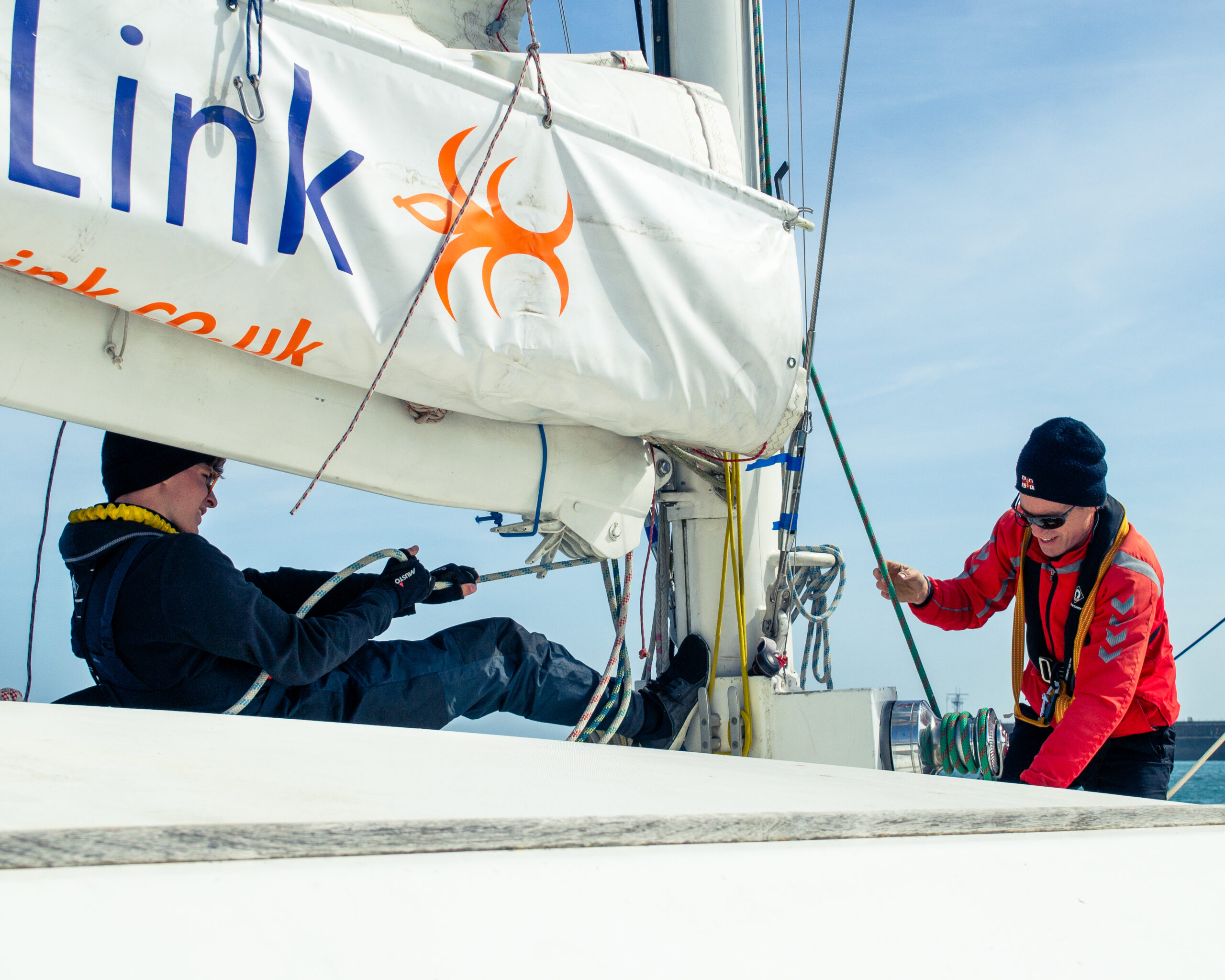
After a first year of 76 crossings, we widened the 2026 schedule to 126 crossings on the Channel line. We did it by adding return sailings, so a passenger could come back the same way they came. The trade-off we took on was plain enough: with more departures to fill, we had to keep the boat busy in both directions, every day we sailed.
The truth is we did not know it had worked until the very end. You do not feel a season turning while you are in the middle of it. You cast off, you sail, you come back, you do it again. It was only when we sat down with the full count that the picture settled: we had grown the schedule by two thirds and still filled the boat a little more than the year before, not less. On the Channel line, passengers rose from 465 to 835, the average per crossing went from 6.1 to 6.6, and the share of sailings we lost along the way fell, with cancellations down from 21% to 12%.
The real win was not that more people came. It was filling the boat a little fuller while running more crossings than ever.
We never once told ourselves we had reached too far. We have believed in this since the start, and we know we are not the only ones who do. That belief is not naive optimism. It is something we feel every time someone steps aboard who has gone out of their way to be there.
Roland, and why we do this
Take Roland. He came to sail Boulogne to Dover with us on a day when the conditions were far from perfect. He found it mind-blowing all the same. Then we announced our Shoreham to Fécamp pilot, and he reshaped his whole schedule to come and sail that one too. He rearranged everything so the dates would line up across both sides of the Channel, just to live the full set of SailLink crossings of 2026 in the shortest window he could.
Roland is one passenger, but he says more about 2026 than any chart. People are not simply buying a ferry ticket. They are choosing an experience, and some of them will move mountains in their diary to have all of it. That is the "we are not the only ones" I mean.
Under sail, a little more than last year
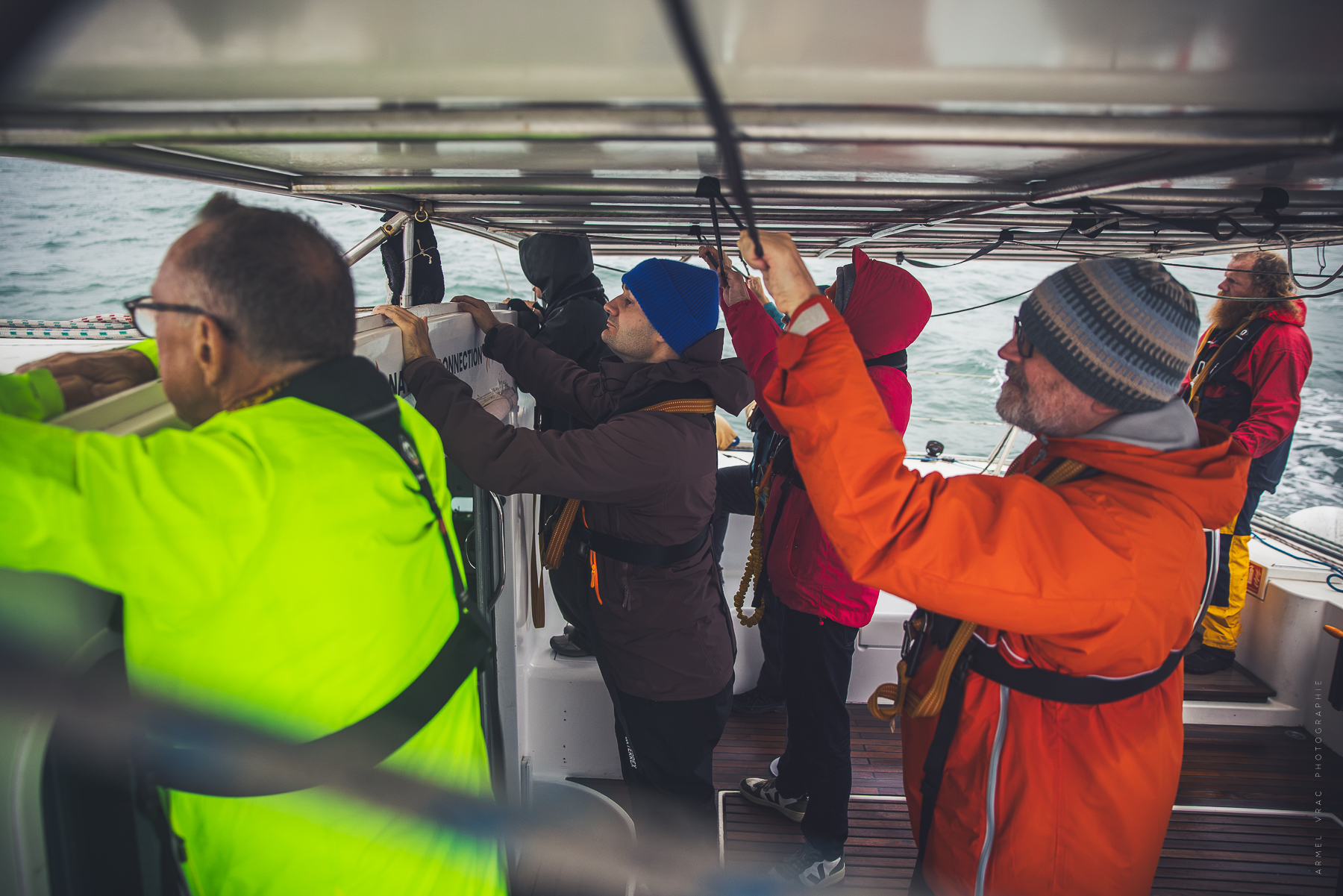
The figure I watch most closely is the share of each crossing actually made under sail. In 2026 it reached 74.5% on the Channel line, up from 69% the year before. To me this matters more than the passenger count, because it measures something we have to earn rather than something we simply book.
Sailing a working ferry well is not a thing you acquire once. It is learned every single day on the water: reading the Channel better, anticipating, planning the crossing around the wind and the tide instead of against them. It comes from improvements to the boat and its gear, and from a crew that grows more at home in these conditions with every passage, learning another face of this stretch of sea and how to make the most of it. The wind and the tide are free. Getting better at using them is the whole craft.
And yes, more distance under sail means less fuel burned, less CO2, and less diesel to pay for. For a low-impact crossing that runs on honesty rather than slogans, this is the one indicator that tells the real story. We lead with wind and tide, and we use the engine when we need it. We would rather tell you the exact figure than round it up.
What two seasons really tell us
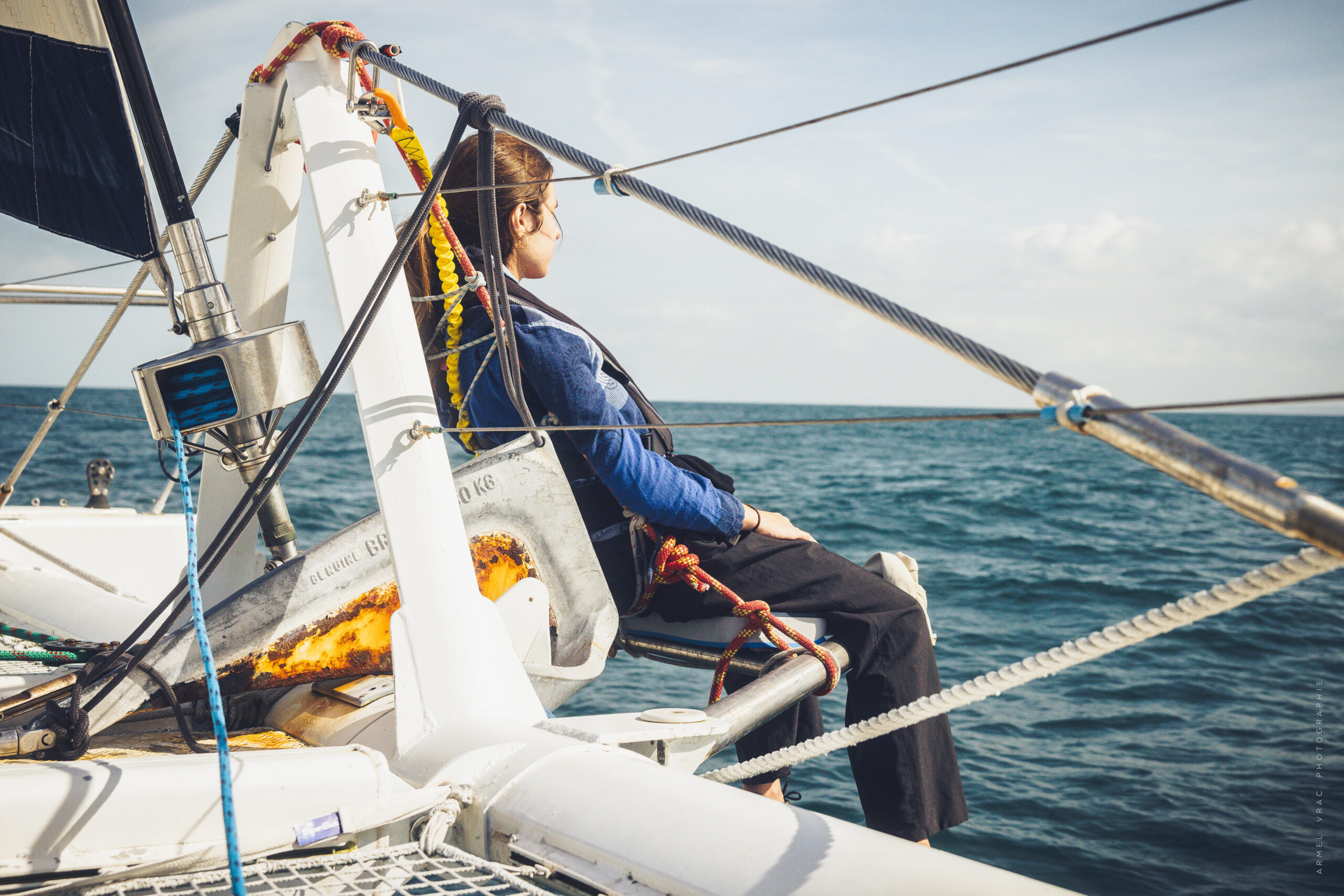
Two seasons in, the shape of the thing is steady. A small boat, twelve seats, self-funded, carrying cyclists and walkers across a stretch of water the car ferries long ago stopped treating as a journey. The numbers stay modest by design. Twelve passengers is the point, not a limit we are impatient to break. What grew in 2026 was not the size of the boat but the confidence that enough people want to cross this way to keep Echoes sailing.
Looking to 2027
Next year is shaping up to be a special one, with a run of cross-Channel events across Europe and a real spotlight on the ties between France and the UK. Our 2027 schedule will come out towards the end of this year, and that is when you will be able to book. It will likely be a tighter calendar, one that gives the crew a better family balance and a more sustainable season for everyone who makes the crossings happen.
We hope to see many of you aboard. We give everything we have to make each season better than the last, so if you have an idea, a suggestion, or simply want to talk it over, write to us at info@saillink.co.uk. Every idea for improvement is welcome, and so is the conversation.
To everyone who sailed with us this year, and to everyone who moved something in their own life to be on that pontoon: thank you. You are the reason the figures above exist, and the reason there will be a 2027.
Marketing & Partnerships, SailLink
Be first to know the 2027 dates.
Twelve seats per crossing. The most popular dates go first.